As the back-to-school season rolls around, parents everywhere find themselves in a frenzy, wondering if their little ones are ready to tackle the academic jungle. School readiness isn’t just about knowing the alphabet or counting to ten; it’s about equipping kids with the social and emotional tools they need to thrive. Think of it as a superhero training camp where kids learn to navigate friendships, cope with challenges, and maybe even master the art of sharing snacks.
Understanding School Readiness
School readiness encompasses a child’s preparation for the academic, social, and emotional demands of the school environment. This readiness involves various dimensions that extend beyond academic knowledge.
Definition of School Readiness
School readiness refers to a child’s ability to successfully transition into a formal education setting. This includes academic skills such as literacy and numeracy, alongside crucial social skills like cooperation and empathy. A child’s cognitive development plays a significant role as well. Emotional maturity and physical readiness contribute to the overall definition, ensuring children can adapt to new routines and expectations. Assessing school readiness often involves observing behavior and performance in these areas.
Importance of School Readiness
School readiness significantly influences a child’s long-term academic success. Children who develop essential skills before entering school experience smoother transitions and higher engagement levels. Research shows that early social and emotional development leads to improved peer relationships and problem-solving abilities. Furthermore, being prepared academically and socially fosters self-confidence, which enhances a child’s willingness to participate and learn. Prioritizing school readiness sets the foundation for lifelong learning and success, making it a crucial area for parents and educators to focus on.
Key Components of School Readiness
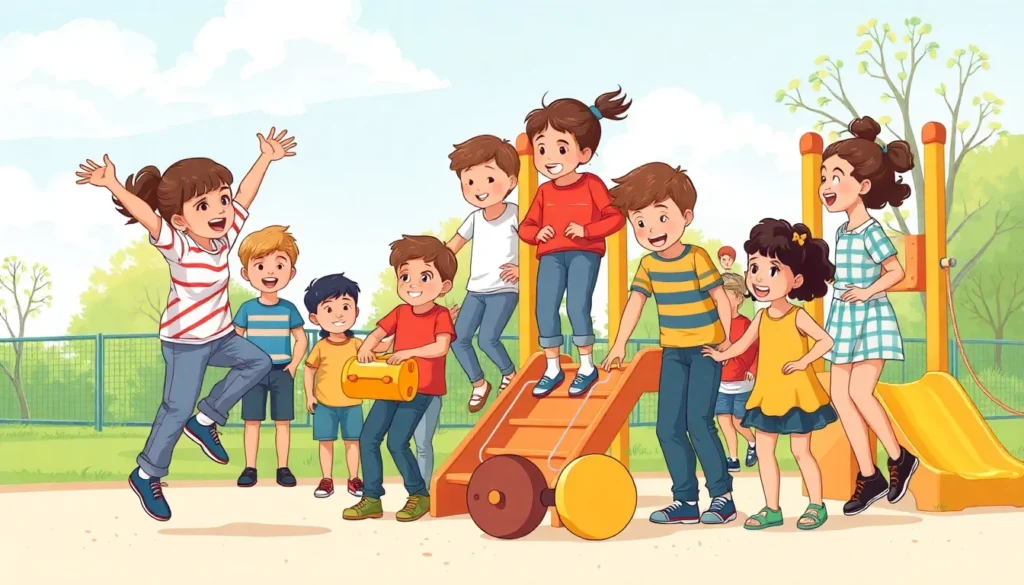
School readiness includes several key components that contribute to a child’s overall preparedness for the school environment. Prioritizing these areas enhances a child’s ability to thrive academically and socially.
Cognitive Development
Cognitive development involves the skills essential for learning and problem-solving. Children build foundational skills like critical thinking, attention span, and memory. Engaging in activities such as puzzles or interactive games boosts these abilities. Counting objects or recognizing shapes helps strengthen mathematical skills. Exposure to books encourages literacy development. Observing these skills in early learners provides insights into their academic potential.
Social and Emotional Development
Social and emotional development focuses on interpersonal skills and self-regulation. Children learn to interact with peers, mastering skills like sharing and cooperation. Handling emotions becomes crucial during this phase, enabling kids to express feelings appropriately. Participating in group activities promotes empathy and understanding. Recognizing and responding to social cues supports smoother interactions. Encouraging cooperation leads to healthier peer relationships, fostering a sense of belonging.
Physical Development
Physical development emphasizes gross and fine motor skills necessary for daily activities. Children refine abilities like running, jumping, and balancing. Cutting with scissors or drawing improves hand-eye coordination and dexterity. Engaging in physical play enhances health and fitness levels, foundational for school participation. Prioritizing outdoor activities cultivates strength and coordination. Mastery of these skills aids in adapting to the physical demands of the classroom environment.
Language and Communication Skills
Language and communication skills form the backbone of effective interaction in school. Children expand vocabulary by engaging in conversations and listening to stories. Expressing thoughts clearly helps in building confidence. Practicing active listening enhances comprehension and strengthens relationships with peers and teachers. Mastering these skills encourages effective collaboration in group settings. Prioritizing language development facilitates smoother transitions into academic learning.
Assessing School Readiness
Assessing school readiness involves evaluating a child’s academic, social, and emotional preparedness. Effective methods help gauge whether children can adapt to school routines and challenges.
Standardized Assessments
Standardized assessments provide measurable insights into a child’s academic skills. These tests often evaluate literacy, numeracy, and problem-solving abilities. Many authorities recommend administering these evaluations at the beginning of preschool or kindergarten. Results can highlight strengths and areas for improvement, guiding targeted interventions. Reliable assessments allow educators to understand where children stand relative to their peers.
Observational Methods
Observational methods offer a nuanced view of school readiness. Teachers observe children’s interactions, emotional responses, and social skills during play and group activities. This approach captures real-time behaviors that standardized tests may miss. Educators can note how children handle conflicts, communicate with peers, and follow instructions. Through consistent observations, they can compile valuable information that supports each child’s unique development journey.
Role of Parents and Teachers
Parents and teachers play essential roles in preparing children for school. Collaboration between home and school fosters a supportive environment for growth. Parents can engage in activities that promote social skills and emotional regulation. Teachers provide structured settings where children practice these skills with peers. Regular communication ensures that both parties share insights and strategies to support readiness. Combined efforts enhance a child’s overall development and confidence as they approach the school environment.
Strategies to Enhance School Readiness
Enhancing school readiness involves multiple strategies that encompass home, education, and community support. Each plays a vital role in preparing children for their academic journey.
Home Environment
Creating a nurturing home environment promotes school readiness effectively. Parents can engage children in daily routines that build essential skills. Reading together fosters literacy, while simple math games reinforce numeracy. Encouraging play with peers develops social skills, as it teaches sharing and cooperation. Emotional discussions help children manage feelings, preparing them for diverse school situations. An organized and stimulating environment also encourages exploration and independence. Lastly, parents should model positive behaviors and expectations to instill confidence in their children.
Early Childhood Education Programs
Participating in quality early childhood education programs significantly enhances school readiness. Structured programs expose children to various learning experiences and environments. Engaging in activities that develop cognitive and social skills is essential. Children learn through play, enhancing their creativity and problem-solving abilities. Qualified educators guide them in social interactions, helping them form friendships. Curriculum components should include language development and basic math concepts. Regular assessments allow teachers to address individual needs, ensuring children progress effectively.
Community Support Services
Accessing community support services helps families foster school readiness. Local organizations often provide resources that enhance learning opportunities. Workshops focused on parenting skills can empower caregivers with effective strategies. Family engagement events build connections between home and school. Additionally, early intervention services support children with developmental delays, ensuring they receive necessary resources. Community partnerships also offer access to literacy programs and health services. A collaborative effort promotes a seamless transition into the school environment, benefiting both children and families.
School readiness is a multifaceted journey that shapes a child’s future. By focusing on cognitive, social, emotional, and physical development, parents and educators can create a strong foundation for lifelong learning. Engaging children in enriching activities, fostering supportive environments, and maintaining open communication between home and school are essential strategies.
As children prepare to enter the school environment, their ability to adapt and thrive hinges on these critical components. Investing time and resources in school readiness not only enhances individual success but also contributes to a more engaged and well-rounded generation. Prioritizing this readiness ensures children are equipped to face academic challenges and build meaningful relationships, setting them up for a bright future.