Squirrels may seem like cute little critters scurrying around your backyard, but there’s more to these furry friends than meets the eye. Ever wondered what sets male and female squirrels apart? From their tail sizes to their reproductive systems, these differences can be as distinct as a squirrel’s personality.
Overview of Squirrel Anatomy
Squirrels exhibit distinct anatomical features that vary between males and females. Size differences often manifest, with male squirrels generally being larger than females. Tail length and bushiness also differ, influencing balance and maneuverability in trees. Females possess broader and shorter tails, aiding in nest building and protection.
Reproductive anatomy plays a crucial role in these differences. Males possess prominent testes that become distinguishable during the breeding season. Females feature a vulva that becomes more pronounced when in estrus, indicating fertility. This anatomical indication assists in mating behaviors during the spring and summer months.
Another noticeable characteristic involves body composition. Males tend to have more muscle mass, which contributes to agility and speed during chases or territorial conflicts. Females, on the other hand, store more fat, especially when preparing for breeding or winter months.
In addition to reproductive structures, dental differences can be subtle yet significant. Both genders possess two pairs of big incisors; however, wear patterns can differ based on diet and feeding behaviors. Males often exhibit more wear due to their usually more aggressive foraging habits.
Overall, anatomical variations between male and female squirrels influence their behaviors, mating strategies, and survival techniques. Understanding these differences enhances knowledge of squirrel ecology and their role in various habitats.
Male Squirrel Anatomy
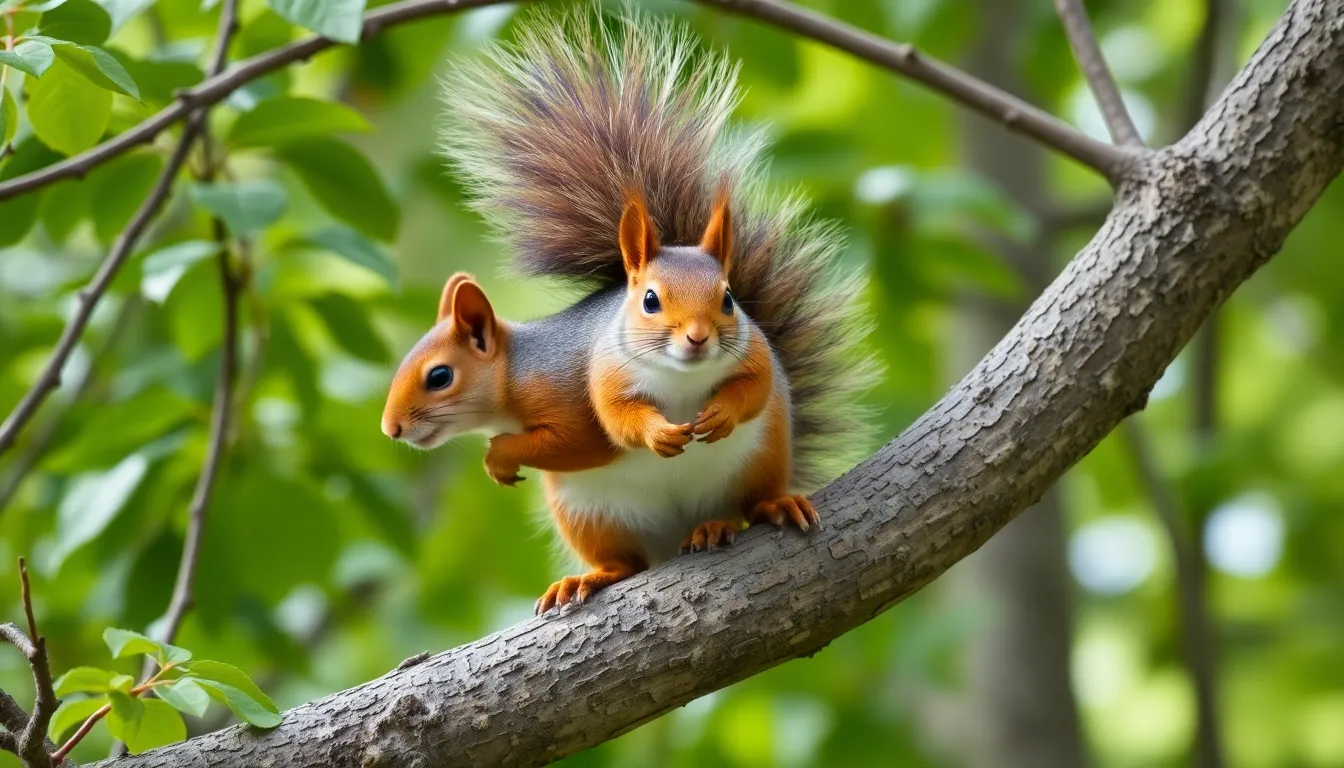
Male squirrels exhibit distinct anatomical features that aid in their survival and reproduction.
Reproductive Organs
During the breeding season, male squirrels display prominent testes, which become more visible as they prepare to mate. This characteristic signals sexual maturity, attracting females. Males engage in competitive behaviors to assert dominance and gain mating opportunities. The presence of the penis is noticeable, positioned near the testes, facilitating reproduction. During estrus, males may show heightened interest in breeding as they detect pheromones released by receptive females. These reproductive organs contribute significantly to their mating strategies in various habitats.
Physical Characteristics
Size generally defines male squirrels, as they tend to be larger than females. Their longer, bushier tails offer enhanced balance and agility, essential for navigating tree canopies. Muscle mass often surpasses that of females, aiding in swift movements to escape predators. Coat coloration might vary, with males exhibiting brighter hues during mating seasons to attract partners. Additionally, dental structures may show wear patterns influenced by their foraging habits, reflecting differences in diet. These physical characteristics combine to establish the male squirrel’s presence in its environment and enhance its survival prospects.
Female Squirrel Anatomy
Female squirrels exhibit unique anatomical features directly related to their reproductive roles and physical characteristics.
Reproductive Organs
Female squirrels possess distinct reproductive organs, which are essential for breeding. The vulva becomes pronounced during estrus, signaling fertility to potential mates. Ovaries produce eggs, and a gestation period typically lasts around 44 days. Nesting behavior increases when females prepare for the birthing process. During this time, they seek safe locations to raise their offspring. Lactation begins after birth, requiring the female to provide nourishment to her young until they can forage independently.
Physical Characteristics
Female squirrels generally display broader, shorter tails compared to their male counterparts. Such tails help in nest building and offer protection. Body fat accumulation increases in females, particularly before winter, aiding in energy reserves. Their muscle mass tends to be slightly less than males, contributing to differing agility levels. Coat coloration may appear less vibrant than that of males, reflecting hormonal influences. Squirrels also exhibit variations in dental wear patterns based on foraging habits, with females showing differences that align with their dietary preferences.
Differences Between Male and Female Squirrels
Male squirrels exhibit greater size and have longer, bushier tails that enhance balance and maneuverability. Contrastingly, females possess broader, shorter tails that aid in nest construction and provide protection. During the breeding season, male reproductive anatomy includes prominent testes, while females show a pronounced vulva during estrus, signaling readiness for mating.
Body composition varies between the sexes. Males generally contain more muscle mass, contributing to their agility and ability to escape predators. Females, however, accumulate increased body fat to prepare for breeding and winter, impacting their general mobility.
Subtle differences in dental wear patterns arise from their distinct foraging habits. Males often experience greater tooth wear due to their need for active food gathering, while females may display different wear patterns as they tend to forage differently.
Male coat coloration may brighten in mating season, signaling sexual maturity and aiding in the attraction of females. Their competitive behaviors often determine mating opportunities and hierarchy. Agility remains a vital asset for males in both mating displays and predator evasion.
Female squirrels prepare for reproduction through strategic nesting. They seek safe locations for birthing after a gestation period of around 44 days, followed by lactation for their young. Hormonal influences can cause their coat coloration to be less vibrant compared to males, affecting overall appearance.
These anatomical and behavioral distinctions illustrate the unique adaptations of male and female squirrels, emphasizing their diverse roles within their environments. Understanding these differences enhances appreciation for these creatures and their behaviors.
Understanding the differences between male and female squirrels reveals much about their adaptations and behaviors. These anatomical distinctions not only serve functional purposes but also reflect their unique roles within their ecosystems. The variations in size tail structure and reproductive anatomy highlight the evolutionary strategies that each sex employs for survival and reproduction.
By appreciating these differences squirrel enthusiasts can gain deeper insights into the lives of these fascinating creatures. Whether observing their playful antics or studying their anatomical features it’s clear that both male and female squirrels contribute to the rich tapestry of wildlife. This knowledge fosters a greater respect for their complexities and the environments they inhabit.